

Jesus and the Parables of the Kingdom
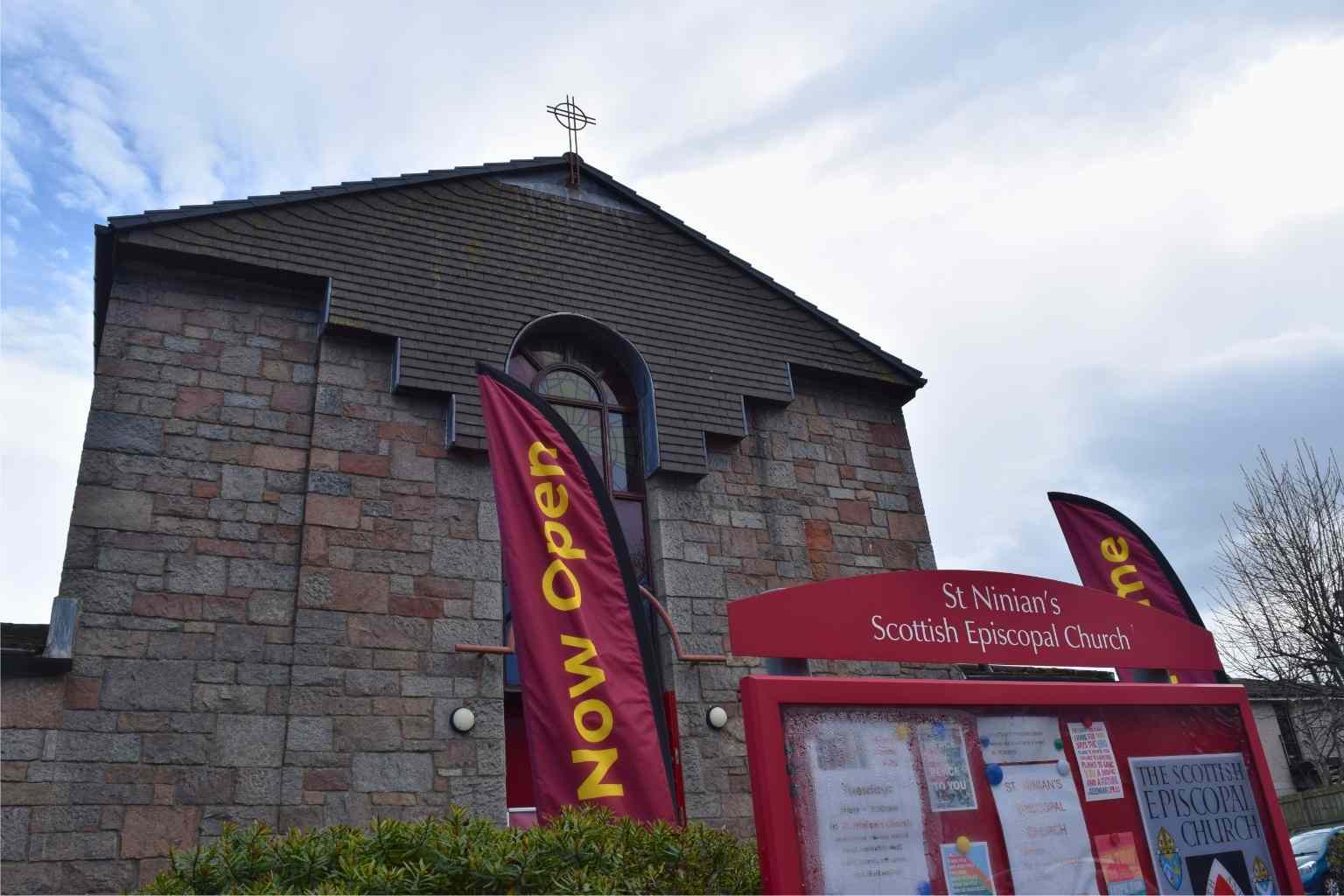
A homily delivered on 25 July, 2026 - Matthew 13

Read: Matthew 13:31-33, 44-52
There is something wonderfully mischievous about Jesus in today's Gospel. He speaks of mustard seeds, yeast, buried treasure, priceless pearls, fishing nets, and householders rummaging through cupboards. It's almost as though Our Lord has raided the kitchen, the garden shed, the beach, and the attic all before breakfast.
If we were expecting a grand lecture entitled "The Kingdom of Heaven Explained in Seven Easy Steps," we're disappointed. Instead, Jesus says, "Let me tell you about baking... and gardening... and a chap who finds treasure while digging."
That sounds much more like the way God works.
The Kingdom of Heaven, says Jesus, is like a mustard seed. Tiny. So tiny that you might lose it in the folds of your pocket — or, if you're anything like me, in the mysterious depths of the church vestry, where things disappear never to be seen again until the next rector discovers them twenty years later.
Yet that tiny seed becomes something large enough for birds to nest in.
The Kingdom often begins in ways that seem laughably insignificant.
A gentle conversation.
A quiet prayer.
A smile offered to someone who expected to be ignored.
A child asking an awkward question in Sunday school.
None of these seem earth-shattering. Yet God's mathematics are wonderfully different from ours. We count size; God counts faithfulness.
Then Jesus turns to yeast.
Now yeast isn't glamorous. Nobody has ever said, "Come and admire my magnificent yeast collection." It quietly disappears into the dough. You can't see it working. It simply transforms everything from the inside.
That's a picture of Christian discipleship.
Most of what changes the world isn't spectacular. We imagine saints as people with halos glowing like emergency beacons. In reality, holiness often looks like someone making another cup of tea, writing another encouraging note, forgiving one more injury received, saying one more prayer.
The Kingdom rises quietly, rather like bread proving on the kitchen counter. Although, if you've ever forgotten bread dough and returned two hours later, you'll know it can become surprisingly enthusiastic, and perhaps even overflowing.
Jesus then tells of a treasure hidden in a field.
The man finds it, sells everything, and buys the field.
Likewise the merchant who discovers one pearl of extraordinary value.
Neither the digger nor the Pearl merchant hesitates.
Because once you've seen something truly precious, everything else finds its proper place.
The Christian life isn't primarily about what we give up.
It's about what we've found.
Too often Christianity is portrayed as a catalogue of restrictions. Yet Jesus speaks of delight. Joy. Discovery.
The digger man, and the Merchant, practically skip home to sell everything.
One imagines his neighbours saying, "He's gone completely mad."
"No," he replies, "I've found treasure."
Christ is that treasure.
Once we glimpse God's love, generosity, forgiveness, and mercy, our priorities begin to shift. Things that once seemed essential suddenly become optional. Things we barely noticed become priceless.
Then comes the fishing net. Oh yes, the fishing net!
Unlike the earlier parables, this one has a slightly sharper edge.
The net gathers every kind of fish.
Only later comes the sorting.
Jesus reminds us that God's Kingdom is astonishingly welcoming. The net is thrown wide.
But God's welcome is never merely an invitation to remain unchanged. Grace always calls us towards holiness.
Thankfully, however, the sorting is God's work—not ours.
The Church has occasionally behaved as though our chief spiritual gift were identifying who is in our Church Club, and who is out of it! Thankfully in St. Ninian's everyone is welcomed to join in, and hopefully we are without any Clubs. We don’t and should be always aware of the dangers that becoming amateur fisheries inspectors will have on the Church, and the folk we throw away as not being good enough , or being too different to what we’re used to.
Jesus doesn't give us that job description. Thank God!
He simply tells us to keep casting the net.
God will deal lovingly and justly with the rest.
Finally, Jesus asks his disciples a question.
"Have you understood all these things?"
Rather wonderfully, they confidently answer, "Yes."
Though I rather suspect they hadn't the faintest idea.
Reading the Gospels, they frequently resemble students nodding wisely while desperately hoping nobody asks a follow-up question.
I find that deeply encouraging.
You don't have to understand everything before following Jesus.
If complete understanding were the entrance requirement for discipleship, every church would be empty — including the pulpit.
Jesus finishes by describing the scribe who is trained for the Kingdom, as someone bringing out of their treasure store (of knowledge of the Kingdom, thus far) things both new and old.
That is such a beautiful description of the Church.
Particularly in the Scottish Episcopal tradition.
We treasure the old.
Ancient prayers.
Scripture faithfully proclaimed.
Sacraments celebrated with reverence.
The wisdom of centuries.
But we also delight in the new.
Fresh voices.
Fresh music.
Fresh ministries.
Fresh ways of serving our communities.
The Church is healthiest when it resembles an old family home—not a museum.
Museums politely request that you touch nothing.
Family homes contain well used treasured heirlooms alongside children's drawings stuck to the fridge and the many marks on the wall from riding a tricycle too fast to control as a toddler. So this is a loving and supportive environment where everyone is cared about and everyone can contribute what they can because everyone matters, and that fills us with hope for the future.
The Kingdom is like that.
God doesn't ask us to choose between old and new.
He invites us to cherish both.
Perhaps that's the thread connecting every one of today's parables.
God delights in taking ordinary things and filling them with extraordinary grace.
Seeds.
Flour.
Fields.
Pearls.
Fishing nets.
Cupboards.
Ordinary people.
People like us.
The Kingdom doesn't wait until we're impressive.
It begins where we are.
With whatever we have.
And perhaps that's the best news of all.
Because most of us lead wonderfully ordinary lives.
We shop.
We cook.
We work.
We worry.
We queue in supermarkets wondering why the person in front has chosen today to dispute the price of seventeen tins of beans.
And right there—in all that glorious ordinariness—the Kingdom quietly grows.
Like yeast.
Like a seed.
Like treasure unexpectedly discovered.
So this week, look out for them and they are there right in front of us to notice, and don't underestimate the small things.
Offer kindness.
Pray faithfully.
Forgive generously.
Laugh often.
Share hope freely.
Plant tiny seeds of love wherever you go.
You may never see how God causes them to grow.
But grow they will.
For the Kingdom of Heaven is nearer than we imagine, stronger than it appears, and more joyful than we often dare to believe.
And to that King, who turns mustard seeds into shelter, flour into bread, treasure into joy, and ordinary people into saints, be all honour and glory, now and for ever.

Comments